
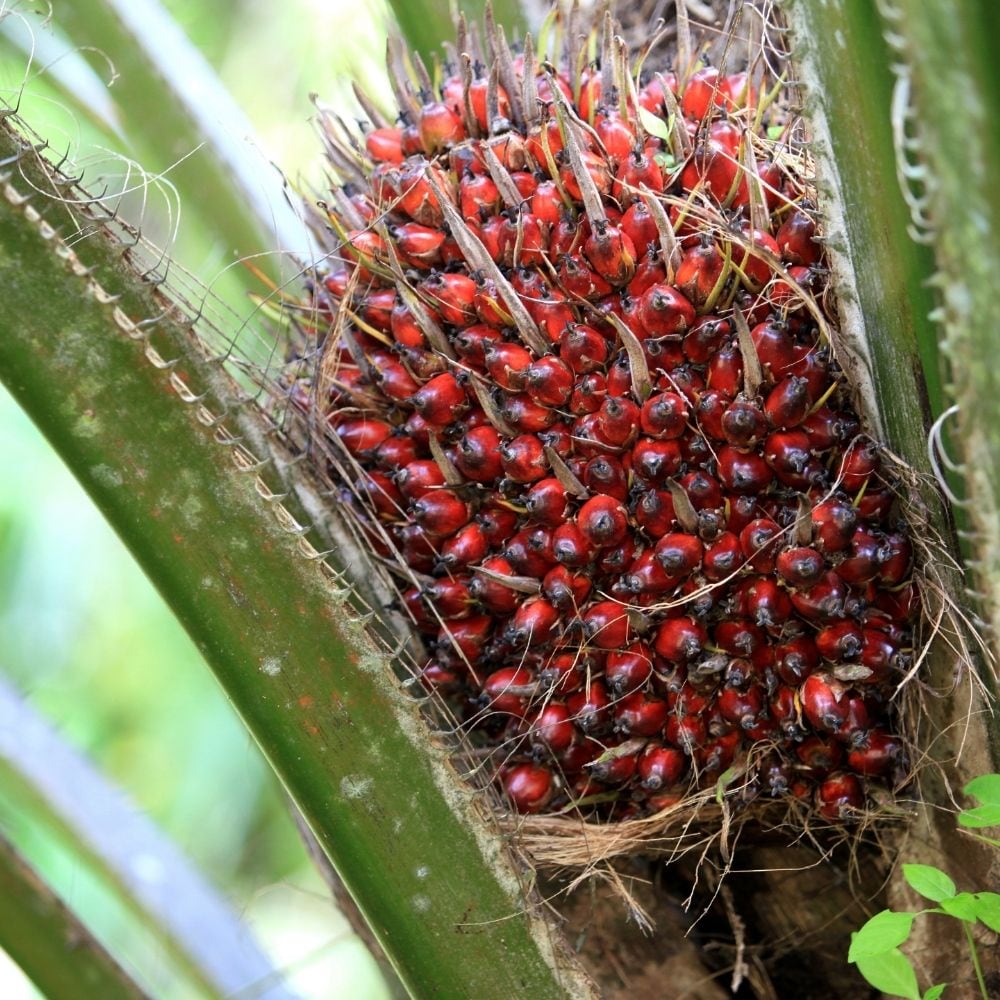
Every Nigerian kitchen knows red palm oil, and every Nigerian buyer knows the risk that comes with it — oil cut with water or cheaper substitutes, containers that look full but disappoint at the pot, sellers who vanish after the sale. That shared experience shaped how this trade was built from day one: if buyers cannot trust the oil, nothing else about the business matters.
Starting at the farm gate
The trade began where the oil begins — in the producing communities of the Delta belt, among groves and smallholdings that have supplied the region's markets for generations. Going directly to the source taught the lessons that middlemen hide: what fresh oil looks like straight from processing, how its aroma behaves in the first days, and how quickly quality is lost when oil sits in the wrong containers. Sourcing relationships built at the farm gate became the trade's first competitive edge — freshness you cannot fake.
The quality lesson buyers teach you
Buyers do not complain abstractly. They complain about water settling at the bottom of a container, about oil that smells wrong, about colour that fails in the pot. Each complaint is a specification in disguise. The trade's response was to treat every one as a standard: assess oil at collection, reject loads that show separation or off aromas, keep handling equipment clean and dedicated, and never top up or blend a container to make weight. Quality is not a marketing word in this trade — it is a daily refusal to cut corners.
- Oil assessed at collection — colour, aroma and consistency before any load is accepted
- Clean, dedicated handling equipment from collection to sale
- No blending, no topping up, no water — the discipline that keeps buyers returning
- Sealed containers that leave the desk exactly as they arrive
From open bowls to sealed jerrycans
Retail trade in open bowls teaches speed; wholesale trade teaches something else — accountability. Wholesale buyers moving oil to other towns and to institutions need oil that survives the journey and arrives exactly as sold. Sealed packaging became the workhorse of the trade: bottles for households and small shops, 25-litre jerrycans for resellers, caterers and institutions. A sealed container does something an open one never can — it carries the supplier's promise inside it, unbroken, until the buyer opens it.
Why the trade endures
Palm oil is not a trend; it is the backbone of Nigerian cooking and a staple that reorders itself week after week. The trade endures because repeat wholesale relationships are built one honest container at a time — the buyer who tests you once with a small order and returns for jerrycans is the entire business model in miniature. That is how the trade grew, and the same rule still governs every order the desk confirms today.
Buying red palm oil wholesale or for export? The trade that started at the farm gate now supplies sealed bottles, 25-litre jerrycans and 200-litre drums. Message the supply desk on WhatsApp +234 706 444 0829 — written confirmations on every commercial order.
Frequently asked questions
Where does NeflexGold source its palm oil?
From producing communities across the Delta State belt — relationships built at the farm gate and maintained over years of trade, with oil assessed at collection before any load is accepted.
How do I know the oil is not adulterated?
The sourcing discipline is the answer: oil is checked for colour, aroma and consistency at collection; handling equipment is clean and dedicated; containers are sealed before they leave the desk; and commercial orders travel with written confirmations. Buyers can evaluate delivery against those documents.
What packaging formats are available today?
The range has grown with the trade: sealed retail bottles, 25-litre wholesale jerrycans, and 200-litre drums for bulk and export consignments — see the supply guide on this blog for full packaging and ordering details.
How do I place an order?
Message the supply desk on WhatsApp +234 706 444 0829 or email info@neflexgold.com with your quantity, packaging format and delivery location — you will receive a written confirmation covering the terms before anything is paid.