
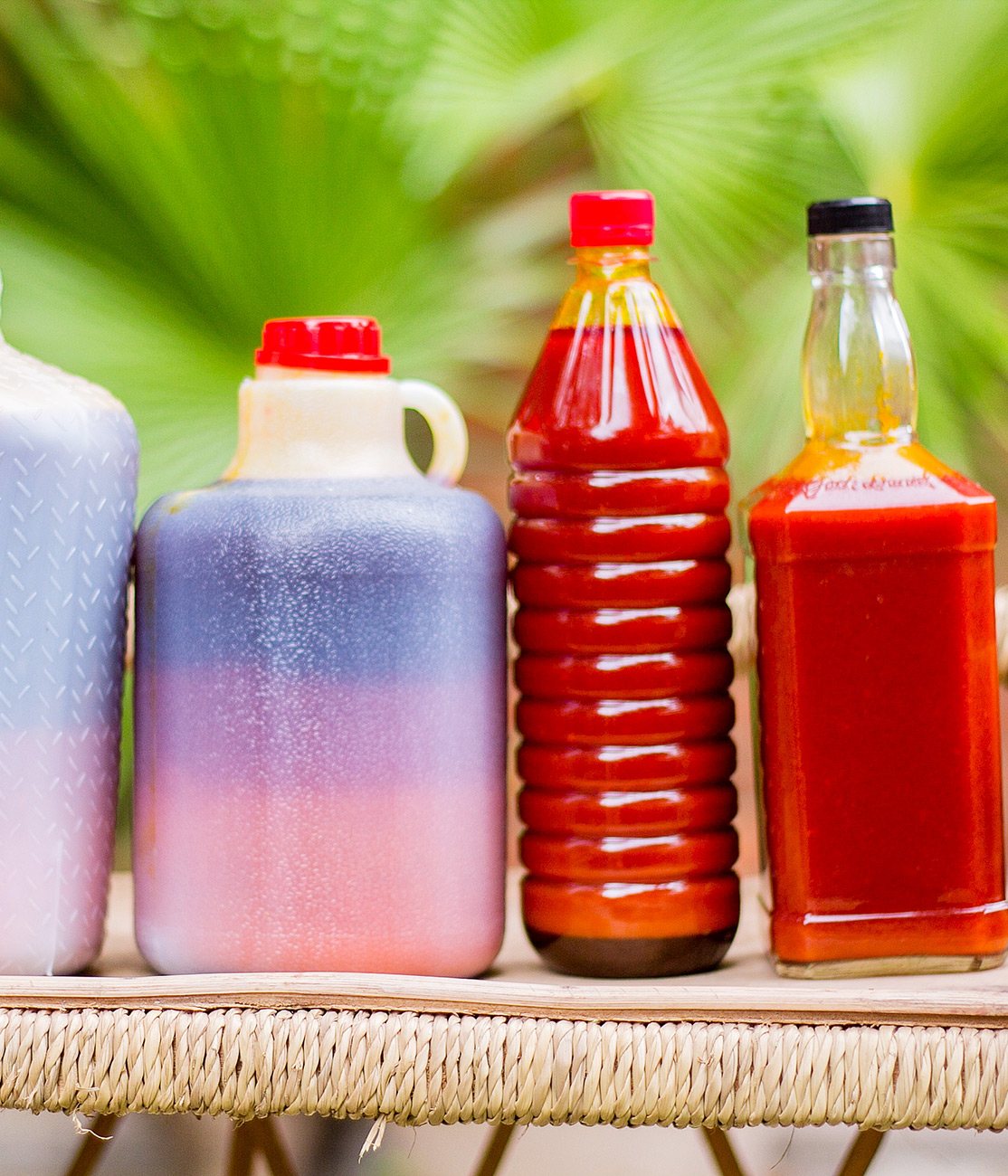
Not all red palm oil on the market is equal. Colour, aroma, cleanliness and freshness vary widely depending on how the fruit was processed, how the oil was stored and how long it has been sitting in the supply chain. Serious buyers — restaurants, food businesses, distributors and households alike — learn a few simple checks that separate fresh, well-processed oil from tired stock.
The quality signs buyers check
- Colour — good red palm oil shows a deep, lively reddish-orange. A dull, brownish tone usually signals over-processing or age.
- Aroma — fresh oil carries the natural, distinctive palm-fruit smell. Rancid or flat odours mean the oil has oxidised.
- Texture — the oil should pour cleanly and, in cool conditions, show the natural semi-solid settling that unadulterated palm oil is known for.
- Cleanliness — no sand, water layer or floating debris. Professional processors filter and settle the oil before filling.
- Packaging — sealed, food-grade containers with consistent fill levels. Reused, unsealed containers are a red flag.
What Nigerian red palm oil is used for
Red palm oil is indispensable in West African cuisine. It is the base of banga soup and ofe akwu, brings depth to native soups, stews and yam porridges, and is the traditional oil for beans dishes and palm-oil rice across southern Nigeria. Beyond the home kitchen, it is a raw material for food manufacturers, and internationally it is sought after by diaspora groceries, African restaurants and ethnic-food distributors.
Its distinctive red colour comes from natural carotenoids, and the oil is valued for its rich flavour profile that refined bleached oils cannot reproduce — which is exactly why buyers specifically ask for unrefined Nigerian red palm oil.
How NeflexGold keeps quality consistent
Our palm oil programme was built around quality control from the first step. Sourcing comes from producing communities with established processing traditions; incoming oil is quality-checked before acceptance; filling and sealing happen under hygienic conditions in food-grade containers from 1-litre bottles to 200-litre drums. Commercial consignments travel with specification sheets and, where applicable, batch certificates — so buyers have documentation, not just assurances.
Taste the difference a careful supplier makes. Message the palm oil desk on WhatsApp for formats, samples-to-order and current pricing.
Storing red palm oil properly
- Keep containers sealed when not in use — exposure to air is what turns oil rancid.
- Store in a cool, dark place away from direct sunlight.
- Avoid metal containers with visible rust; food-grade plastics and lined drums are preferred.
- Use older stock first and rotate — fresh oil should be consumed within months, not years.
- Natural semi-solid settling in cooler weather is normal and does not affect quality.
Whether you buy one bottle or a truckload, the same rule applies: buy from a supplier who controls sourcing and packaging, and who will put the order in writing. That is the standard NeflexGold Nigeria Enterprise holds itself to on every consignment.
Frequently asked questions
How do I know good red palm oil before buying?
Check for a deep reddish-orange colour, a fresh palm-fruit aroma, clean pouring texture without sand or water layers, and sealed food-grade packaging. Fresh, well-processed oil never smells rancid or flat. NeflexGold supplies oil that is quality-checked at sourcing and filled and sealed under hygienic conditions.
What is Nigerian red palm oil used for?
It is the essential oil of Nigerian and West African cooking — the base of banga soup, ofe akwu, native soups, stews, beans and palm-oil rice. It is also a raw material for food manufacturers and is stocked by African restaurants and diaspora groceries internationally.
How should red palm oil be stored?
Keep it sealed, in a cool dark place away from sunlight, in food-grade containers. Rotate stock and use older oil first. Natural semi-solid settling in cool weather is normal and harmless.
Does quality differ between suppliers?
Yes — processing method, filtration, storage and container hygiene all affect the final oil. Buying from a documented processor like NeflexGold (CAC BN 2874068), where orders come with specification sheets and batch certificates, removes the guesswork.