
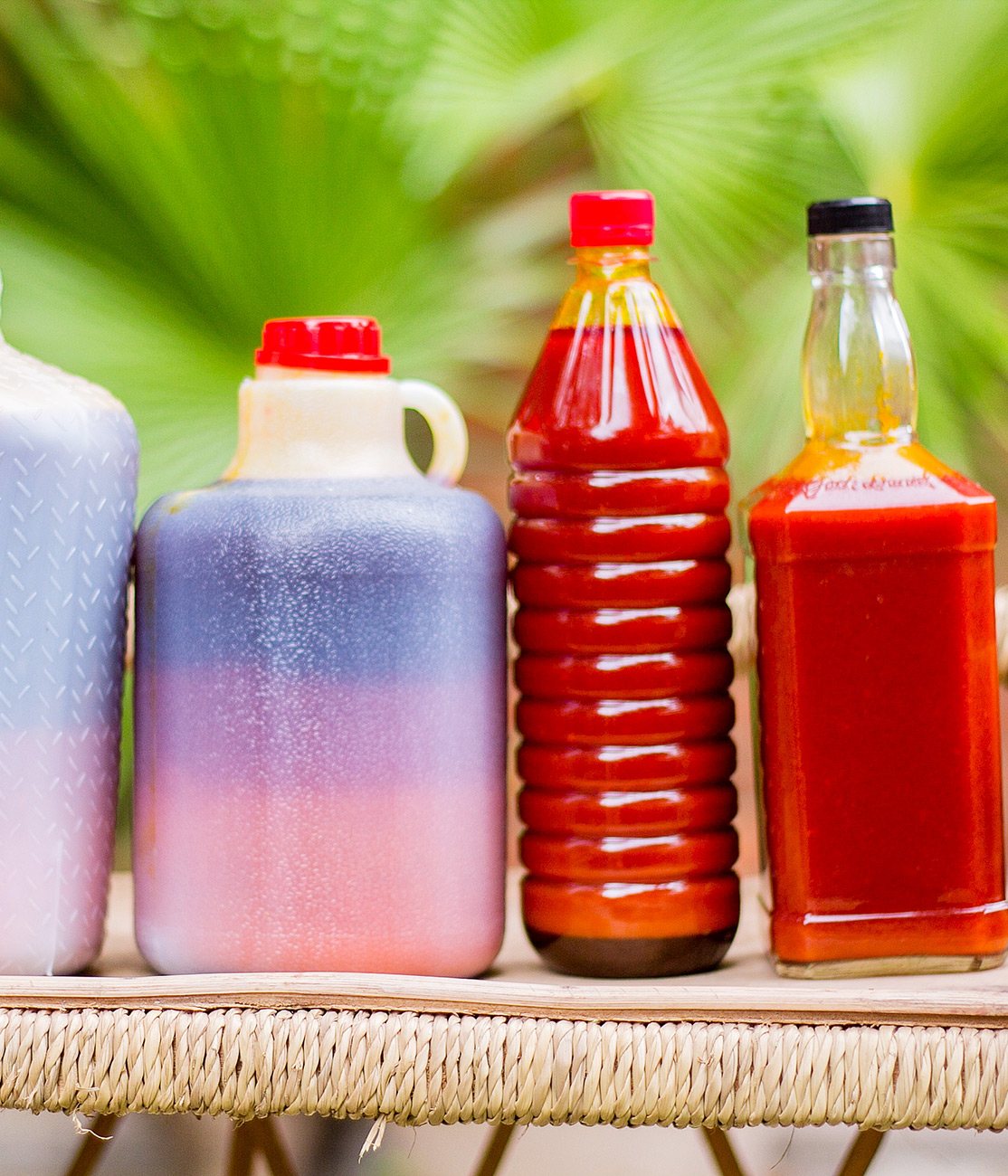
Palm oil is Nigeria's most traded cooking oil, and its price behaves like a living market — responding to harvest cycles, transport costs and demand spikes around festive seasons. Buyers who understand the drivers behind a quote negotiate better, plan purchases at the right moment, and avoid the mistake of comparing two quotes that were never priced on the same terms.
The five factors that move palm oil prices
- Season and harvest cycle — fresh fruit availability rises and falls through the year, and festive-season demand tightens supply in ways every Nigerian kitchen recognises
- Region and distance — oil sourced close to producing communities carries less haulage than oil moved across regions; freight is part of every genuine price
- Packaging format — the cost per litre falls as containers get bigger: retail bottles sit at the top of the range, 25-litre jerrycans in the middle, and 200-litre drums at the wholesale floor
- Volume and relationship — commercial quantities earn commercial terms; serious suppliers price repeat wholesale accounts differently from one-off retail purchases
- Grade and handling — carefully sourced, well-handled oil commands its price; oil of uncertain origin and handling is discounted for a reason
Why written quotes beat phone guesses
A verbal price heard today may not survive the week. A written quotation fixes the picture: quantity, packaging format, grade, unit price, validity window and delivery terms — all stated before money moves. NeflexGold Nigeria Enterprise issues written quotations so that buyers can compare like with like and commit on documented terms. If a supplier refuses to put a price in writing, that refusal is itself information.
Wholesale economics: bigger packaging, better per-litre value
The per-litre logic is simple: the more oil that travels inside one sealed container, the lower the packaging and handling share of the price. That is why restaurants, repackagers and resellers buy in 25-litre jerrycans, and why bulk and export buyers step up to 200-litre drums. Retail bottles remain the right choice for households and small shops — but for any buyer moving serious volume, stepping up a packaging class is usually the fastest way to bring the per-litre figure down.
Export pricing adds its own layer
For international buyers, Nigerian palm oil is priced on consignment terms: drummed product, port handling, documentation and freight all shape the landed cost at the destination. Export quotations therefore travel with specification sheets and written confirmations of quantity, grade and packaging. Buyers comparing export offers should always normalise for drum size, delivery terms and documentation before judging which figure is better.
Want a real number instead of a range? Message the supply desk on WhatsApp with your quantity, packaging format and delivery location — a written quotation follows, valid for an agreed window.
NeflexGold Nigeria Enterprise supplies fresh red palm oil from Delta State in retail bottles, 25-litre wholesale jerrycans and 200-litre drums, with written quotations and order confirmations on commercial terms. The supply desk is reachable on WhatsApp +234 706 444 0829 and info@neflexgold.com, Monday–Friday 8:00–17:30 and Saturday 9:00–14:00 (WAT).
Frequently asked questions
What is the current price of red palm oil in Nigeria?
It moves with the market — season, region, packaging and volume all change the number. NeflexGold issues written quotations valid for an agreed window; message WhatsApp +234 706 444 0829 with your quantity, packaging format and delivery location for today's figure on documented terms.
Why do palm oil prices differ between suppliers and regions?
Sourcing distance, haulage cost, packaging format, overheads and grade all differ — so two honest suppliers can quote different figures for the same day. Always compare quotes on identical quantity, packaging, grade and delivery terms before judging the price.
Which packaging format gives the best value per litre?
Larger sealed formats carry lower packaging and handling cost per litre — 25-litre jerrycans beat retail bottles, and 200-litre drums sit at the wholesale floor. The right format still depends on your storage, handling and resale setup.
Do your prices include delivery?
Every written quotation states its delivery terms explicitly — ex-depot, delivered within a defined area, or port/consignment terms for export. Nothing about freight is left to assumption.